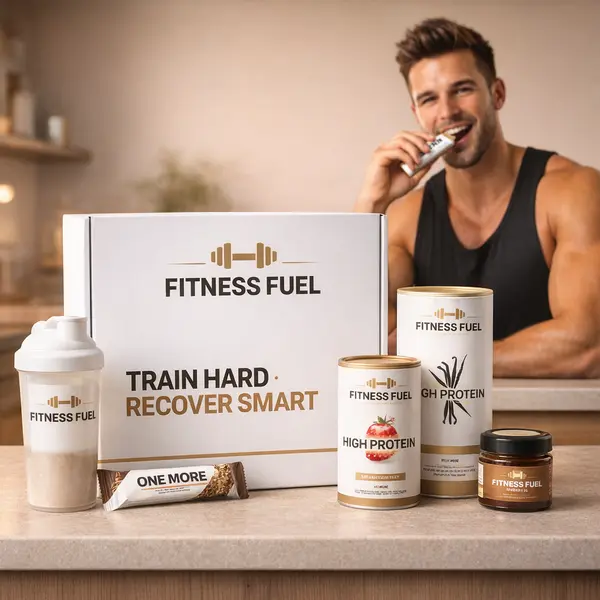
Influencers receive PR boxes through strategic partnerships with companies that value their reach, engagement rates and audience fit. In 2026, brands select content creators based on authentic interactions, topical relevance and lasting connections with their communities. Professional influencer box design and carefully planned unboxing experiences play a crucial role in long-term campaign success and brand loyalty.
Why PR Boxes Matter to Influencers and Brands
PR boxes have become one of the most effective marketing tools of the digital age and continue to reshape influencer marketing in 2026. They create a unique connection between brands and their audiences through authentic product presentations by trusted content creators, which can deliver higher conversion rates than traditional advertising.
The emotional appeal of unboxing is central to their impact: when an influencer opens a carefully curated PR box, the experience can reach millions of followers and inspire viral content. This type of content marketing can feel more natural and credible than conventional advertising and is reported to generate engagement rates averaging 6.5 times higher.
For companies, PR boxes offer a way to make complex products tangible, create an emotional connection with their brand message and measure return on investment. Particularly in B2B communications and e-commerce, premium presentation solutions can highlight technical expertise, professionalism and innovation while supporting lead generation and customer loyalty.
What Are PR Boxes and How Do They Work?
A PR box is a custom-designed product presentation and personalized marketing solution that companies send to selected influencers and content creators to promote their products or services strategically. The concept builds on third-party content marketing and uses the trust between influencers and their communities to communicate brand messages authentically.
The process is carefully planned: companies identify suitable content creators through detailed audience analysis, develop an appealing presentation concept and put together relevant product selections. The influencer then creates authentic content around the unboxing experience, generating organic reach and potentially influencing their audience’s purchasing decisions.
Different types of PR boxes serve different marketing objectives:
- Product launch boxes for new products
- Seasonal boxes for seasonal campaigns
- Brand awareness boxes to increase visibility
- Collaboration boxes for partnerships
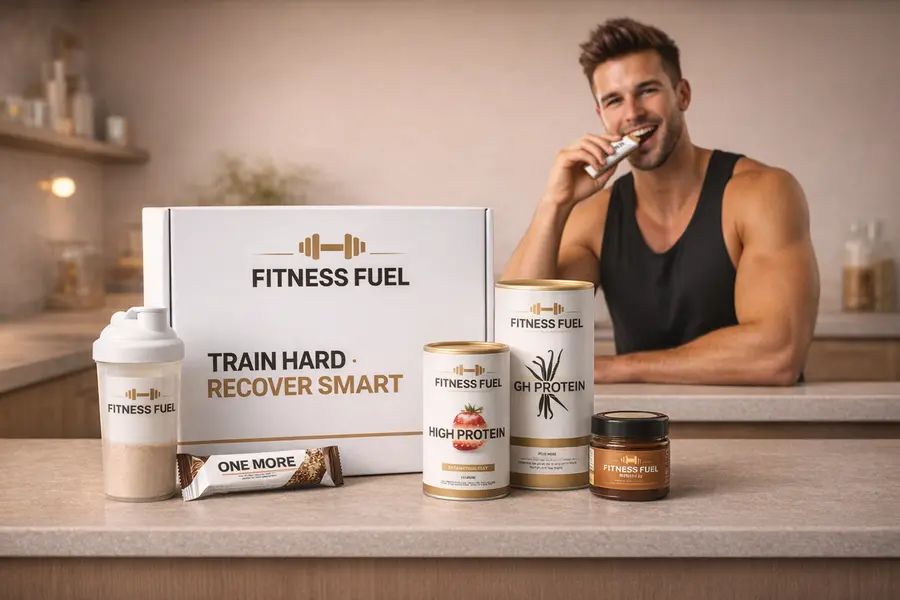
How Do Companies Choose the Right Influencers for PR Boxes?
Influencers are selected using strategic criteria and data-driven analysis tools that go far beyond follower counts. Engagement rates, audience fit, content quality and brand safety are central considerations, while authenticity and community interaction provide further indicators.
Companies first analyze their own target audience by developing detailed buyer personas. They then look for content creators whose audiences share similar demographics, interests and purchasing behavior. Micro-influencers with 10,000 to 100,000 followers often achieve stronger engagement and conversion rates than mega-influencers because they have closer community relationships and greater perceived credibility.
Key selection criteria include:
- Topical relevance and expertise
- Authenticity of content
- Community engagement rate
- Professional content creation
- Alignment with brand values
Partnerships work best when both parties benefit and the brand message is communicated authentically.

What Role Does Packaging Play in a Successful PR Box?
The packaging creates the first physical interaction with the brand and can significantly influence the success of a PR campaign and the likelihood that its content will be shared. Professional presentation solutions and thoughtful packaging design strengthen brand impact, create lasting impressions and encourage user-generated content on social media.
The unboxing experience starts the moment someone sees the box and influences the quality of the content created. Premium materials, carefully designed inserts, creative details and an Instagram-ready aesthetic help deliver the wow factor that encourages sharing and organic reach.
Professional boxes for influencers and the press take several factors into account:
- Sturdy construction for safe transport
- Visually appealing design
- Functional interior compartments
- Sustainable material choices
- Custom branding options
The quality of the packaging reflects the brand’s perceived value and has a considerable influence on how the products inside are viewed.
How Can Influencers Qualify to Receive PR Boxes?
Professional influencers qualify through consistently high-quality content, strong engagement rates and the strategic development of a loyal community. In 2026, companies increasingly seek partners who communicate their brand values authentically and can deliver measurable conversions.
The key to influencer success is specializing in a subject and steadily building expertise within a niche. Content creators who establish themselves as trusted voices and regularly share useful educational content are often preferred for long-term brand partnerships.
Proven influencer marketing strategies for sustainable success in 2026:
- Develop a consistent content style
- Engage regularly with the community
- Create professional product photography
- Clearly disclose advertising and sponsored content
- Build long-term brand relationships
Professional media kits featuring detailed analytics, audience demographics and case studies from previous campaigns help companies evaluate potential influencer partnerships. Evidence of ROI and performance metrics can also strengthen an influencer’s negotiating position.
Successful PR boxes combine strategic product selection with emotional storytelling, premium packaging design and sustainable presentation. Maximum marketing impact comes from balancing these elements and taking account of current unboxing trends in 2026.
The products selected should be highly relevant to both the influencer and their audience. Too many items can dilute the central message and reduce attention, while too few may shorten the unboxing experience and limit engagement potential. Different PR box formats and presentation concepts can be chosen to suit the product category and campaign objective.
Critical success factors for effective PR box campaigns:
| Area | Success factor | Impact |
|---|---|---|
| Contents | Relevant product selection | High likelihood of use |
| Packaging | Premium materials | Positive brand perception |
| Timing | Strategic shipping schedule | Maximum reach |
| Sustainability | Environmentally friendly solutions | Positive brand associations |
Sustainable packaging plays an important role in influencer marketing in 2026. Reusable boxes, recyclable materials and environmentally friendly fillers can strengthen positive brand perceptions and align with the values of environmentally conscious audiences.
Successful PR box marketing in 2026 is built on authentic partnerships between companies and content creators, together with data-driven influencer selection. Professional execution across every stage, from choosing influencers to designing the box, has a major impact on measurable campaign results and ROI.
Influencer marketing best practices suggest that long-term brand partnerships with carefully selected creators often outperform one-off collaborations. Investing strategically in premium presentation solutions and creative concepts can pay off through greater brand awareness, engaging shareable content and lasting audience relationships.
- Strategic influencer selection based on audience analysis
- Premium, sustainable packaging solutions
- Relevant product selection
- Authentic brand communication
- A long-term partnership strategy
Companies that use PR boxes as a strategic influencer marketing tool can benefit in 2026 from increased brand awareness, authentic product presentations and lasting customer relationships. Targeted investment in professional presentation solutions and creative unboxing experiences can reinforce these effects and create memorable brand moments with viral potential.
Step-by-Step Guide: How to Run Your First Successful PR Box Campaign
A successful PR box campaign requires systematic planning and structured execution. This practical guide takes marketing professionals through the essential stages, from strategic concept development to performance analysis, with a focus on measurable ROI.
Step 1: Define Campaign Goals and Budget
Start by setting clear, measurable goals for your PR box campaign. Common objectives include brand awareness (an X% increase in recognition), lead generation (X new leads), sales conversions (an X% increase in revenue) or community building (X new followers).
Example budgets by company size:
- Startups/SMEs: €2,000–€5,000 (5–10 micro-influencers)
- Mid-sized companies: €10,000–€25,000 (15–30 content creators)
- Large corporations: €50,000–€150,000 (macro-influencers and a mix of campaign activities)
Step 2: Analyze Your Audience and Identify Influencers
Develop detailed buyer personas and use analytics tools such as HypeAuditor, Klear or AspireIQ to research influencers. Systematically evaluate engagement rates, audience demographics and content quality.
Influencer selection checklist:
- Audience overlap >70%
- Engagement rate >3% (Instagram) / >1% (TikTok)
- Authentic interactions
- Topical relevance
- Brand safety compliance
Step 3: Select Products Strategically and Develop the Box Concept
Curate 3–7 products that tell a coherent story and are highly relevant to the influencer’s audience. Consider different price points, product categories and seasonal factors to make the unboxing experience as appealing as possible.
Recommended box contents:
- 1 hero product (main focus)
- 2–3 complementary products
- 1–2 surprise items
- Branded merchandise
- A personalized note
Step 4: Plan Professional Packaging Design
Invest in premium presentation solutions that look great on Instagram and reflect your brand values. Allow 4–6 weeks of lead time for custom packaging and consider sustainability from the outset.
Design checklist:
- Sturdy construction suitable for shipping
- Visually appealing branding
- Functional interior compartments
- Sustainable material choices
- Design optimized for unboxing
Step 5: Reach Out to Influencers and Negotiate Partnerships
Prepare personalized outreach messages and professional collaboration agreements. Define clear deliverables, posting schedules and content guidelines. Allow 2–3 weeks for negotiations and finalizing contracts.
Negotiation template:
- Campaign description and objectives
- Expected deliverables (posts, stories, reels)
- Timeline and posting schedule
- Compensation model and payment terms
- Usage rights and content ownership
Step 6: Optimize Shipping Logistics and Timing
Coordinate shipping dates strategically to maximize reach. Consider public holidays, industry events and influencer availability. Use tracking services to monitor deliveries transparently.
Recommended shipping times:
- Tuesday to Thursday (highest opening rates)
- 2–3 days before the intended posting date
- Avoid holiday periods
- Coordinate with other campaigns
Step 7: Create and Communicate Content Guidelines
Provide detailed content briefs that balance creative freedom with brand compliance. Define must-haves, nice-to-haves and things to avoid so that content remains authentic and on-brand.
Content guidelines template:
- Core messages and key talking points
- Hashtag sets and mentions
- Posting windows
- Visual style and tone of voice
- Legal advertising disclosure requirements
Step 8: Track Performance and Follow Up
Implement comprehensive performance monitoring using UTM tracking, promotional codes and social listening tools. Analyze reach, engagement, traffic and conversions to optimize future campaigns based on data.
Essential KPIs for your dashboard:
- Reach and impressions
- Engagement rate and interactions
- Website traffic and conversions
- Generated media value (GMV)
- Cost per engagement (CPE)
- Return on investment (ROI)
Document lessons learned and best practices to improve campaigns continuously, and prepare detailed performance reports for stakeholders and future strategic decisions.
Frequently Asked Questions About PR Boxes
Questions for Companies
How much does a professional PR box cost on average?
Costs vary depending on the product value, packaging quality and quantity, typically ranging from €50 to €500 per box. Premium packaging costs around €15–€30, while product samples and shipping need to be calculated separately. Professional agencies offer complete solutions starting at €5,000 for smaller campaigns involving 50–100 influencers.
How can I find the right influencers for my industry?
Use specialized influencer marketing platforms such as AspireIQ or Upfluence for detailed audience analysis. Focus on topical relevance, authentic interactions and shared brand values rather than follower counts alone. Micro-influencers in your niche often achieve better conversion rates than mega-influencers.
How long does it take to plan a PR box campaign?
Allow at least 6–8 weeks for a professional campaign: two weeks for influencer research and selection, 2–3 weeks for packaging design and production, 1–2 weeks for shipping, and another 2–3 weeks for content creation by influencers. Seasonal campaigns may require longer lead times.
What legal considerations should I keep in mind?
Use clear agreements that require advertising to be identified as such (for example, #ad or #sponsored). Follow data protection requirements when collecting influencer information and clarify image usage rights for user-generated content. Have agreements reviewed by a legal professional to reduce compliance risks.
How can an SME get started with a limited budget?
Start with 5–10 micro-influencers (1,000–10,000 followers) in your region and focus on affordable but high-quality presentation solutions. Use existing product samples and prioritize attractive presentation boxes. Working with local influencers can significantly reduce shipping costs.
How do I measure the ROI of my PR box campaign?
Define clear KPIs such as reach, engagement rate, website traffic and conversion rate before launching. Use UTM parameters for trackable links and promotional codes to attribute direct sales. Analyze brand mentions and social media follower growth as longer-term indicators of success.
Questions for Influencers
How can I qualify for high-quality PR partnerships?
Create consistently high-quality content in your niche and build authentic community engagement. Prepare a professional media kit with demographic information, engagement statistics and case studies of successful partnerships. Specializing in specific subjects makes you more attractive to relevant brands.
Do I have to pay tax on PR boxes?
Yes, PR boxes may be treated as taxable benefits in kind, depending on the applicable tax rules. Keep records of products received and their values for tax purposes. If you work with brands regularly, consider whether business registration is required and seek professional tax advice.
How do I create a professional media kit?
Your media kit should include audience demographics, engagement rates, reach statistics and examples of successful campaigns. Add high-quality photos, your content categories and a rate card for different partnership formats. Update the kit monthly with current statistics and keep the design visually appealing.
What are reasonable fees for PR box content?
As an illustrative starting point, calculate €50–€100 per 1,000 followers for Instagram posts, plus 30–50% for story content. Consider engagement rates, production effort and usage rights when setting prices. Micro-influencers may charge €200–€800 per campaign, while established creators with high engagement can justify substantially higher fees.