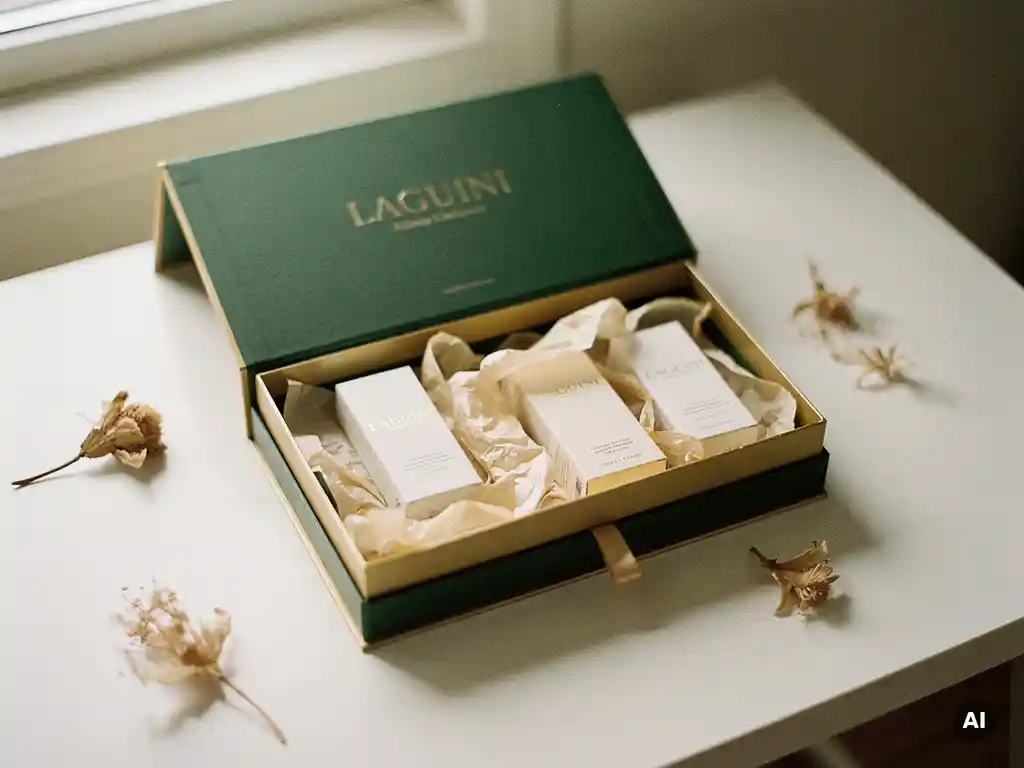
Product seeding in influencer marketing involves sending free products to carefully selected content creators without arranging payment in return. The goal is to encourage authentic, organic content driven by genuine interest in the product. This guide covers everything you need to know about influencer seeding, from planning a campaign to measuring its success.
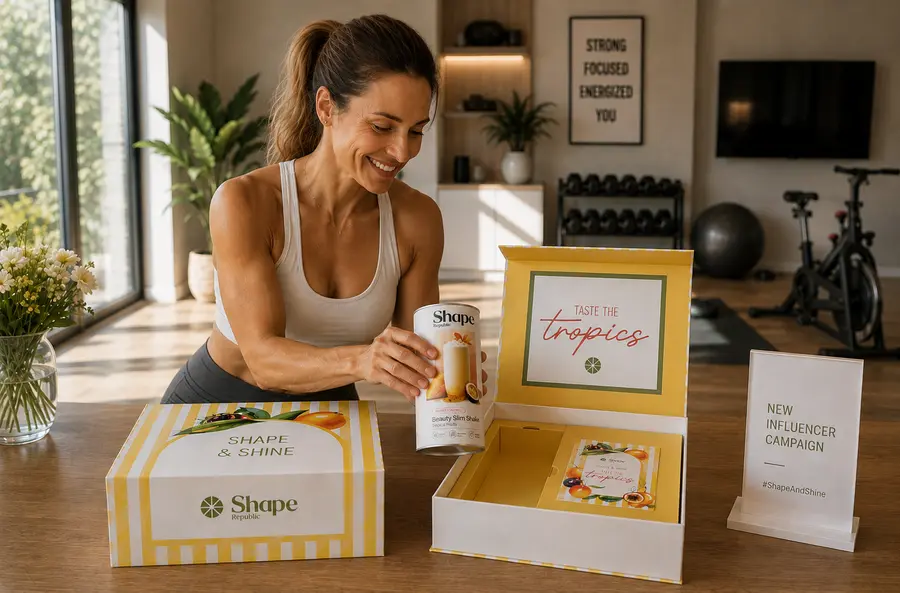
How Does Product Seeding Work in Influencer Marketing?
Influencer seeding is a marketing strategy in which brands send free products to carefully selected content creators in the hope that they will share their experiences with their audience. Unlike paid influencer partnerships, there is no contractual obligation to post. The brand invests in the product and its presentation, while the creator decides whether and how to feature it.
A typical product seeding campaign follows five key steps:
- Define your goals: Which products do you want to promote, and who is your target audience?
- Select creators: Identify suitable influencers based on their audience, reach and credibility.
- Design the PR package: Present the product in attractive, often custom-designed packaging that creates a memorable unboxing experience.
- Ship the packages: Send the products to selected creators, ideally with a personal message or thoughtful finishing touches.
- Monitor results: Track the content creators share and evaluate reach, engagement and other relevant metrics.
What makes product seeding particularly effective is that creators are free to decide whether to share their experiences. When someone genuinely likes a product and chooses to recommend it, the resulting content can feel more authentic than a traditional sponsored post. This is why product presentation matters so much. A thoughtfully designed PR box, a memorable unboxing experience and a strong first impression can all help encourage creators to engage with your brand.
What Is the Difference Between Product Seeding and Paid Influencer Partnerships?
The main difference between product seeding and paid influencer collaborations is the level of commitment and control over the content. In a paid partnership, influencers receive compensation and agree to publish specific content. With product seeding, there is no obligation to post, and creators remain free to make their own decisions.
These differences have several practical implications:
- Authenticity: Seeding content can feel more genuine because creators choose whether to feature a product, although appropriate advertising disclosures may still be required.
- Predictability: Paid partnerships provide agreed deliverables and publication dates. With product seeding, there is no guarantee that content will be published.
- Costs: Seeding campaigns can be more cost-effective because there are no influencer fees, although product, packaging and shipping costs can still be significant.
- Creative control: Paid collaborations give brands greater influence over messaging, content formats and tone of voice.
The two approaches can also work well together. Many brands use product seeding to establish relationships with creators before moving on to paid collaborations with those who are the best fit. This makes seeding a useful way to explore potential partnerships and build authentic connections.
Which Influencers Are Best Suited to Product Seeding Campaigns?
Micro- and mid-tier influencers with around 5,000 to 100,000 followers are often particularly well suited to product seeding campaigns. They tend to have engaged communities, a clear content focus and strong relationships with their audiences. They may also be more open to organic product recommendations than larger influencers who primarily work through paid partnerships.
Micro-Influencers: Engagement Matters More Than Reach
Micro-influencers often achieve higher engagement rates than larger accounts. Their followers may place greater trust in their recommendations because their content feels more personal and relatable. For brands, this can mean more meaningful interactions for each PR package sent, even if the overall audience is smaller.
Why Choosing the Right Creators Matters
Finding creators whose content and audience align with your brand is often more important than follower count alone. A beauty creator with 20,000 engaged followers may be a much better match for a skincare product than a lifestyle influencer with 500,000 followers whose audience has little interest in cosmetics.
When selecting influencers, consider whether their content matches your product category, whether their audience overlaps with your target market and how they have presented products in the past.
Nano-influencers with fewer than 5,000 followers can also be valuable, especially for niche audiences or local campaigns. Mega-influencers with more than 500,000 followers, on the other hand, are often less suitable for purely organic seeding campaigns, as many primarily focus on paid collaborations.

How to Plan a Successful Product Seeding Strategy
A successful product seeding strategy starts with clear campaign objectives and a well-defined approach to measuring results. Between these stages, selecting creators, designing PR boxes and organising shipping all require careful coordination.
Here are the key steps to planning an influencer seeding campaign:
- Set campaign objectives: Are you aiming to increase brand awareness, launch a product, expand your reach or generate conversions? Your goals will guide every subsequent decision.
- Define your target audience: Identify the people you want to reach before choosing influencers.
- Create a shortlist of creators: Research suitable profiles based on their content, engagement, communication style and audience demographics.
- Plan your budget: Account for product costs, custom PR packaging, assembly and shipping. Premium seeding boxes require additional investment but can help create a more memorable experience.
- Design the package: The unboxing experience can influence whether creators decide to share your product. Pay attention to design, presentation and thoughtful details.
- Organise shipping: Coordinate tracking, reliable delivery and timing, especially when planning a product launch.
- Set up campaign monitoring: Decide which performance indicators to track and prepare the necessary monitoring tools.
One aspect that is often underestimated is the coordination between different suppliers. When packaging production, assembly and shipping are handled by separate providers, managing these processes can become time-consuming. For marketing teams and agencies running multiple campaigns, a full-service packaging and fulfillment solution can therefore be a more efficient option.
What Are the Advertising Disclosure Requirements for Influencer Seeding?
Even when influencers receive products without payment, advertising disclosure requirements may apply. In Germany, receiving a free product can constitute a commercial benefit, depending on the circumstances. Creators may therefore need to identify content featuring gifted products as advertising or disclose their relationship with the brand.
The following factors can influence disclosure requirements:
- Was the product provided free of charge? Receiving a gifted product may trigger disclosure requirements, depending on the circumstances.
- Is there an agreement to publish content? If the creator has agreed to promote the product, advertising disclosure requirements will generally apply.
- Did the creator purchase the product independently? In this case, advertising disclosure is generally not required solely because the product is featured.
Platforms such as Instagram and TikTok provide disclosure tools that creators can use. Common disclosures include labels such as “Ad”, “Advertisement” or “Gifted Product”. The exact requirements depend on the country, platform and nature of the relationship between the brand and creator. Brands should communicate disclosure expectations clearly when organising product seeding campaigns.
Important: This section provides general information and does not constitute legal advice. Advertising regulations vary between countries, so brands planning international influencer campaigns should seek advice from qualified legal professionals.
How Do You Measure the Success of a Product Seeding Campaign?
Measuring the success of a product seeding campaign involves combining quantitative metrics, such as reach and engagement, with qualitative factors, including content quality and audience sentiment. Because organic seeding does not guarantee published content, monitoring results is particularly important.
Key performance indicators for influencer seeding campaigns include:
- Posting rate: How many of the creators who received products actually published content?
- Reach: How many people were exposed to the content generated by the campaign?
- Engagement rate: Likes, comments, shares and saves indicate how actively audiences interacted with the content.
- Earned Media Value (EMV): An estimated monetary value of the exposure generated through organic content compared with paid advertising.
- Brand mentions and hashtags: How frequently was your brand or product mentioned or tagged?
- Website traffic and conversions: Tracking links and discount codes can help measure visits and purchases generated by the campaign.
Qualitative insights are just as valuable. What messages did creators communicate? How did their followers respond? Does the content reflect your brand identity? These questions help you evaluate the campaign and improve future product seeding activities.
Always evaluate campaign performance in relation to your original objectives. A brand awareness campaign requires different metrics from one focused on conversions. Defining clear KPIs from the beginning makes it easier to monitor and improve your product seeding process.
Which Industries Benefit Most from Influencer Seeding?
Influencer seeding works particularly well for industries where products are visually appealing, personal recommendations influence purchasing decisions and target audiences are active on social media. These include beauty, lifestyle, food and beverages, nutritional supplements and fashion.
Product seeding is especially popular in the following industries:
- Beauty and cosmetics: Unboxing videos and product reviews are popular content formats on Instagram, TikTok and YouTube. Custom PR boxes can help beauty brands stand out.
- Food and beverages: New products, limited editions and emerging brands can benefit from genuine creator recommendations.
- Health, wellness and supplements: Trust plays an important role in these markets, making creators with engaged and loyal communities particularly valuable.
- Lifestyle and fashion: Products that lend themselves to attractive visual content are well suited to influencer seeding campaigns.
- Start-ups and emerging brands: Product seeding can offer a cost-effective way to introduce innovative products and build initial brand awareness.
Product seeding may be less suitable for complex B2B products, services without a physical product or industries where the target audience has limited social media engagement. The key question is whether the product can make an impression through engaging, visual content.
How Adelt Ideen Supports Your Influencer Seeding Campaign
A successful influencer marketing campaign starts with making a strong first impression. The quality and presentation of the PR box a creator receives can make a real difference. At Adelt Ideen, we support your product seeding campaign from the initial concept through to final delivery, allowing you to focus on managing your marketing activities.
Our full-service approach to influencer seeding includes:
- Concept and design: We work with you to develop custom PR boxes that showcase your products and reflect your brand identity.
- In-house production: Our packaging is manufactured at our facility in Bielefeld, Germany, ensuring direct communication and short turnaround times.
- Assembly and packing: We handle product insertion, secure packing and the individual preparation of each PR package.
- Shipping to individual addresses: We organise reliable delivery to multiple influencer addresses, including tracking and insurance.
By combining design, production, assembly and shipping in one integrated service, we simplify campaign coordination and reduce the need to manage multiple suppliers. Every detail, from materials and colours to box dimensions, can be tailored to your brand and target audience.
Discover how custom influencer PR boxes can help make your next campaign stand out. Get in touch with our team to discuss your project. We look forward to hearing your ideas.